Five Golden Rings Meaning: The Fifth Day Of Christmas, Explained
The fifth day of Christmas is the line everyone can sing — and the gift almost nobody stops to read. What the five golden rings have meant for centuries: the Torah reading, the covenant reading, and why the first non-bird gift lands exactly where it does.
Ask a room full of people to sing the Twelve Days of Christmas and watch what happens at day five: everybody joins. Five golden rings is the most famous line of the carol — and the gift almost nobody has stopped to read. The partridge gets articles, the swans get their seven gifts of the Spirit, the maids get their beatitudes, but the rings sit in plain sight, humming along, richer than their fame suggests. This article slows down at the fifth gift: the two readings the tradition has given it, why the ring itself is doing quiet work as an image, and what day five is doing structurally in the middle of the carol’s menagerie. It reads the gift with the same patience as the the seven swans a swimming and lands on a way of keeping the fifth day that is honest about the legend and serious about the meaning. One note before the readings, the same honesty the whole series keeps: the carol is a folk song, not a written catechism, so its gift meanings come from tradition rather than a single author — and the fifth gift shows why that honesty matters more than the guessing does.
The short version the rest of the article earns: in the oldest reading, the five rings are the five books of the Torah, and the ring itself — a covenant sign — turns the fifth day into the carol’s quiet statement that the law is a gift, not a burden.


The Two Readings Of The Golden Rings
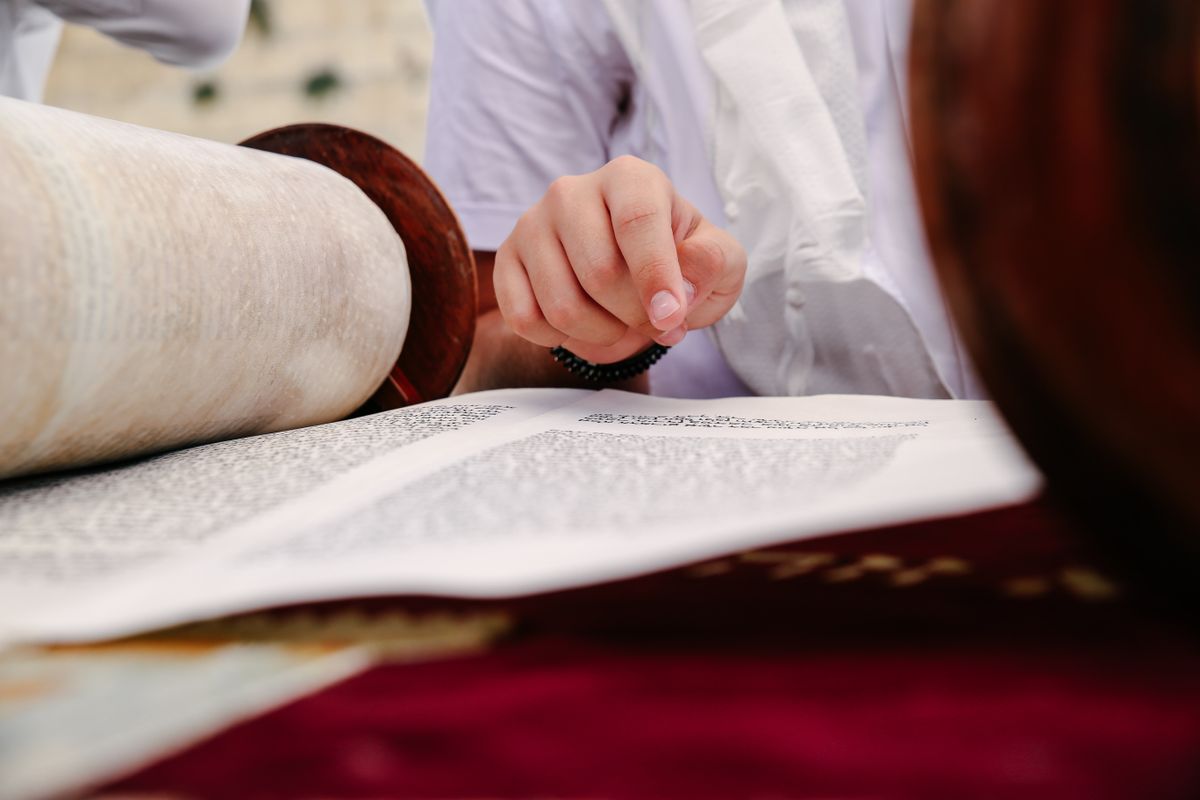
The best-known reading of the fifth gift is the catechesis tradition’s: five golden rings for the five books of the Torah — Genesis, Exodus, Leviticus, Numbers, and Deuteronomy, the scroll that sits at the center of Scripture’s story. The number fits perfectly, which is why this reading has outlasted every rival: five books, five rings, no arithmetic required. The tradition also carries a second, devotional reading in which the rings point to the five wounds of Christ — a reading more common in old European carol commentary, where the song’s later gifts keep turning toward the Passion and the people gathered around it. Neither reading cancels the other. The Torah reading says what the gift gives; the wounds reading says where the gift leads. And both share something the modern ear misses: neither treats the rings as jewelry. They are treated as signs, the way a ring has always been a sign — of covenant, of promise, of something sealed rather than merely owned.
The two readings also share the same discipline the whole series practices. They are devotional readings, held with humility: the tradition is better served by a reader who says “the church has read the fifth gift this way for centuries” than by one who claims a secret key to the song. The meaning survives the honesty. What it does not survive is being turned into trivia or conspiracy, which is why the fifth day is the best place in the whole carol to practice reading well.
The Torah Reading: Law As A Gift
The Torah reading does its real work in a single turn of perspective. To the modern ear, “law” sounds like restriction — a list of limits, the thing that tells you what you may not do. The Scriptures the carol tradition is drawing on sing a different tune, quite literally: the longest psalm in the book is a love song to the Torah, delighting in its statutes the way a person delights in treasure. The first five books were received not as a cage but as a covenant document — the terms of a relationship, given the way a ring is given. That is the move the fifth gift makes in miniature. Set inside a song whose first four days hand over birds, birds, birds, and more birds, the rings arrive as the first gift that is not alive, precisely because what they represent is not a creature but a relationship: God giving His people the shape of a life, and the people keeping it the way one keeps a promise. The image is exact in a way folk traditions rarely manage by accident. A ring is worn, not stored. It marks without imprisoning. And it is renewed by wearing — which is a fair picture of what the Torah itself asks.
Worked application: a family keeping the Twelve Days treats day five as the covenant evening. After singing the verse, the parents each name one promise they are keeping this year — one ring they are still wearing — and the children name one promise they want to make. The evening takes ten minutes, costs nothing, and the children remember it years later because the fifth gift gave them something to do with their hands and their word, not only something to know.
The Rings In The Carol’s Larger Story
Even before any meaning is attached, the placement of the rings is doing something. Days one through four are a growing flock — a partridge, two turtle doves, three French hens, four calling birds — and day six goes straight back to birds with the geese. Day five alone interrupts the menagerie. In the middle of the chirping, the song pauses and gives metal, stillness, and permanence: the one gift that does not flap, feed, or fly off. Readers of the catechesis tradition noticed this long ago, and the reading they built on it is structural as much as symbolic. The carol’s first half hands over the created world in its variety; the second half increasingly hands over what God is doing among His people. The rings sit at the seam — the last gift before the song tips toward the geese, the swans, and then the famous crescendo of the eight maids a milking and the nine ladies dancing. Day five is the pivot disguised as the easiest line to sing. And it is no accident that the pivot gift is a sign of covenant: the song is quietly arguing that the point of the menagerie was never the inventory. It was always the relationship the inventory points to.
There is also a plain old delight in the fifth gift that deserves mention alongside the theology. In the world the carol came from, five gold rings were not a stocking trifle; they were wealth, the kind of gift that changes a family’s fortunes. Whatever else the tradition reads into them, the surface of the gift is extravagant generosity — and the carol keeps that generosity running straight through all twelve days, so that by day twelve the giving has gone completely past reason. The rings are where that excess first becomes visible.
Keeping The Fifth Day Without Superstition
The fifth gift is where the famous legend about the carol does its most damage and its most good. The story often retold — that the song was a secret code teaching doctrine during a time of persecution, with each gift standing for a hidden meaning — is told with far more confidence than its documentation supports. Historians who have looked for the evidence have found the carol as a memory-and-forfeit game sung for fun, with the religious gift readings layered on by later devotion. The honest conclusion is not that the meanings are fake. It is that they are readings — centuries of the church pausing at each gift and asking what it preaches — and readings like that are how a folk song becomes a carrier of formation. The fifth day practices exactly this posture. Keep the evening without superstition: sing the verse, say plainly that the church has read the rings as the five books and the covenant they carry, and then do the one thing the Torah reading actually asks — take one of the five books and start it. A family that reads the first chapters of Genesis at the fifth-day table has understood the rings better than any trivia answer could manage.
And a small practice keeps the day from floating away: make the fifth evening the night the household renews one promise out loud, the way a ring renews one without speaking. The carol never says any of this directly, which is its charm. It gives five golden rings, trusts the listener to stop humming long enough to look at them, and lets the looking do the teaching. If the fifth gift stays with you, let it stay as an assignment rather than an answer: which of the five books will you open this season — and what promise are you still wearing?